← Back to kitchen3 min read
Kitchen note
Sheep in the Wild: Nature’s Resilient Grazers
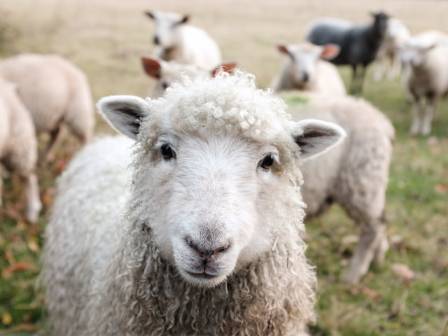
Wilderness Origins Scattered across the globe, numerous species of wild sheep still roam freely in rugged terrains. These animals are the ancestral blueprint for today’s domestic breeds, shaped by evolution to survive harsh climates and challenging landscapes.
M
Morgan Vale
Cook
Bench note
The full story and useful tips are below.
Shelf
Plant kitchen
Wilderness Origins
Scattered across the globe, numerous species of wild sheep still roam freely in rugged terrains. These animals are the ancestral blueprint for today’s domestic breeds, shaped by evolution to survive harsh climates and challenging landscapes.
Built for Survival
Wild sheep are remarkably resilient. Their coats are a mix of wool and coarse hair, offering warmth in icy environments. Most males, or rams, bear spiraled horns made of keratin—the same protein found in human nails and animal hooves. These imposing horns serve both in combat for dominance and as age markers, with annual growth rings revealing their years, much like the rings inside tree trunks.
The Hooved Clan
Sheep belong to the family of even-toed ungulates, animals whose hooves split into two toes. This group also includes goats, cattle, camels, antelope, and giraffes. Over time, selective breeding has reshaped domestic sheep to produce denser wool and develop a rounder, less angular body compared to their wild cousins.
A Home in High Places
From the mountainous ranges of Asia and the Middle East to the slopes of North America and Central Europe, sheep thrive in elevated environments. Wild varieties inhabit steep, stony peaks, often living at altitudes above 1,200 meters. Some, like the Urial, are adapted to even loftier heights, enduring intense cold and sparse vegetation.
From Wild to Tam
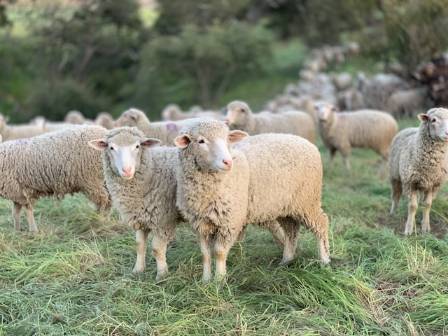
Sheep were among the earliest animals to be domesticated, likely soon after dogs. Their natural tendency to stay together made them ideal for early herders. Since then, they have been raised worldwide for their wool, meat, and milk, adapting to diverse habitats across continents.
Grazers with a Complex Stomach
As ruminants, sheep possess multi-chambered stomachs, allowing them to ferment and break down plant material efficiently. Their diet is entirely plant-based—favoring fresh, tender grasses when available, but capable of digesting tougher shrubs and dry vegetation when necessary.
Life in the Flock
Sheep generally live between 10 and 12 years, though farmed individuals are often culled much earlier. In the wild, they face threats such as predators and habitat loss, placing some species at risk of extinction. Socially, sheep are highly structured: ewes remain with their mothers in matriarchal groups, while young rams join all-male bachelor bands.
Birth and Early Growth

Most lambs are born in early spring after a five-month gestation. Newborns must be agile almost immediately, as vulnerability to predators is high. While twins can occur, single births are more typical in the wild. Weaning happens around six months, after which males leave the maternal group.
Safety in Numbers
Flocking behavior is essential to sheep survival. Their need for companionship is so profound that separation causes distress. Rather than face solitude, sheep will follow their group—even into danger.
Beyond the Stereotype
Although often labeled as simple-minded, sheep possess surprising cognitive abilities. They can recognize up to 50 human faces and remember them for years. In studies, sheep have demonstrated impressive spatial skills and problem-solving aptitude on par with some primates. They've even been observed choosing plants with medicinal benefits, such as willow bark, known for its natural pain relief.
More from the kitchen

· en
Best Lounge Chairs for Balcony: Comfort That Fits Your Outdoor Space
Beth Owen

· en
One of the World’s Most Famous Skyscrapers
Zoe Lewis

· en
The Most Iconic Landmark of New York: The Brooklyn Bridge
Olivia Wilson

· en
Easy Sakura Jelly Recipe
Lauren Mitchell

· en
The Psychology of Suits: How Sharp Tailoring Elevates Confidence and Perception
Daniel

· en
The 10 Biggest Buses in the World, Ranked
Mia