Kitchen note
Celebrating World Sea Turtle Day
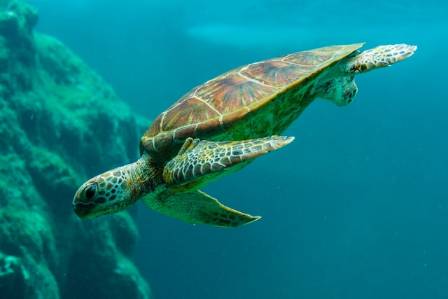
Happy World Sea Turtle Day! Sea turtles are incredible ocean animals admired for their beauty, strength, and ability to survive through changing environments and shifting climates. To celebrate these remarkable creatures, here are some fascinating sea turtle facts that help us better understand their lives and importance.
Robert Kelly
Cook
Bench note
The full story and useful tips are below.
Shelf
Plant kitchen
Happy World Sea Turtle Day! Sea turtles are incredible ocean animals admired for their beauty, strength, and ability to survive through changing environments and shifting climates. To celebrate these remarkable creatures, here are some fascinating sea turtle facts that help us better understand their lives and importance.
Sea Turtles Can Live for Decades
Sea turtles have lifespans that are surprisingly similar to humans. Although many sea turtles usually live around 30 years, some individuals can survive much longer, reaching 70 or even 80 years old under suitable conditions.
The Temperature of Sand Determines Hatchling Gender
Sea turtles cannot develop their eggs underwater, so females come ashore to lay them in sandy beaches. Using their back flippers, they dig nests where they deposit around 100 to 125 eggs at a time. A female may return several times during a nesting season to lay more eggs.
The temperature of the sand plays an important role in determining whether hatchlings become male or female. Cooler sand conditions generally produce more males, while warmer temperatures usually result in more females.
Sea Turtles Travel Thousands of Miles
Throughout their lives, both male and female sea turtles undertake impressive migrations across oceans. Some species travel enormous distances to find feeding areas and breeding grounds. Leatherback turtles, for example, can journey approximately 16,000 kilometers (10,000 miles) within a single year. Loggerhead turtles also complete long migrations, while species such as green turtles and olive ridleys often remain closer to their original habitats.
Sea Turtles Help Keep Ocean Ecosystems Healthy
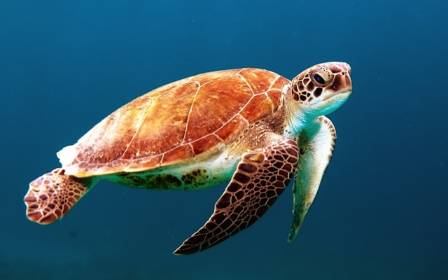
Sea turtles play an important role in maintaining the balance of marine environments. They help support healthy coral reef systems by feeding on seagrass and sea sponges, preventing these habitats from becoming overgrown.
They also move nutrients from the ocean to coastal areas when they come ashore to nest. These nutrients benefit beaches, sand dunes, and many other organisms that depend on these ecosystems.
Sea Turtles Cannot Hide Inside Their Shells
Unlike many land turtles, sea turtles cannot pull their heads and flipper-like limbs completely inside their shells. Their shells offer protection from injuries and attacks, but their inability to fully retreat makes them more exposed to predators.
Adult sea turtles may be hunted by animals such as tiger sharks and killer whales, while eggs and young hatchlings are vulnerable to threats from seabirds, raccoons, and wild dogs.
Human activities also create serious dangers for sea turtles. Coastal construction can destroy nesting beaches, while plastic waste poses a major threat because turtles may accidentally eat plastic or become trapped in discarded materials.
Millions of Sea Turtles Are Still Threatened
Scientists estimate that around 6.5 million sea turtles remain in the wild today. Many sea turtle species are classified as endangered or critically endangered, although population numbers differ greatly between species.
For example, the critically endangered hawksbill turtle may have fewer than 57,000 individuals left worldwide. Kemp’s ridley turtles, which face severe threats from climate change and human activities, may number only around 10,000 remaining individuals.
Florida Sea Turtles Benefited During the Covid-19 Pandemic
Sea turtle populations in Florida experienced positive changes during the Covid-19 pandemic. Before the pandemic, nearly 400,000 sea turtle nests were recorded along Florida’s coastline during nesting seasons.
Normally, only about one out of every 1,000 hatchlings survives to adulthood. However, researchers discovered that reduced human activity and less pollution on beaches during 2020 helped endangered leatherback turtles by creating safer nesting conditions.
More from the kitchen
· en
Fun Facts about Sea Anemones
Evania Cross

· en
Van Gogh Starry Night Woven Tapestry
Eden Cross
· en
Sea Wonder: Humpback Whale
Ivy Monroe

· en
Choose the Best Down Jacket
Lirael Joy

· en
10 Fascinating Insights About the Bald Eagle
Noah Wilder

· en
How Upgrading to an Extra Large Bed Can Revolutionize Your Sleep and Bedroom Decor
Hudson James Ellis