Kitchen note
The Chinese Rose Flower and Its Global Legacy
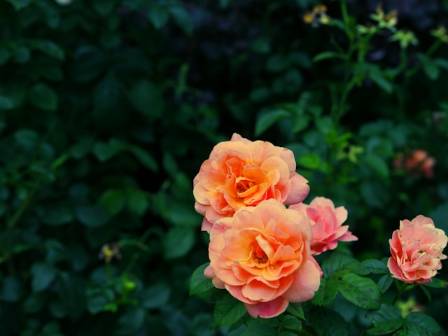
Roses have a long and closely connected history with China, which has played a major role in shaping global horticulture and floral culture. For thousands of years, roses have been cultivated in Chinese society, valued both for their beauty and their deep symbolic meanings. The arrival of Chinese rose species, especially in the 18th century, dramatically changed rose breeding worldwide and helped create the wide diversity of roses we see today.
Haruto Blake
Cook
Bench note
The full story and useful tips are below.
Shelf
Plant kitchen
Roses have a long and closely connected history with China, which has played a major role in shaping global horticulture and floral culture. For thousands of years, roses have been cultivated in Chinese society, valued both for their beauty and their deep symbolic meanings. The arrival of Chinese rose species, especially in the 18th century, dramatically changed rose breeding worldwide and helped create the wide diversity of roses we see today.
China Rose (Rosa chinensis)
Rosa chinensis, commonly known as the China Rose, originates from southern and central regions of China and has been cultivated for over a millennium. It is a woody shrub that sheds its leaves seasonally and usually reaches a height of around 6 to 8 feet. Compared to many other rose types, its stems carry fewer thorns, and its blossoms can appear in shades of white, pink, yellow, and red, often shifting color as they mature.
One of its most important traits is its ability to bloom repeatedly throughout the growing season, from spring until the first frost. This was a major difference from traditional European roses, which typically flowered only once per year. When varieties such as ‘Old Blush’ were introduced to Europe in the late 1700s and early 1800s, they revolutionized rose breeding by introducing repeat flowering, new color variations, refined forms, and a lighter tea-like fragrance.
Other important Chinese rose species
Rosa gigantea is considered one of the largest wild rose species. It naturally grows in the Himalayan foothills across northeast India, northern Myanmar, and southwestern China. This vigorous climbing plant can reach heights of 60 to 80 feet in warm climates, using strong hooked thorns to climb into tall trees. Its stems can become very thick, and it produces some of the largest flowers among wild roses, typically 4 to 5.5 inches wide, in white, cream, or pale yellow tones.
Rosa banksiae, known as Lady Banks’ rose, comes from central and western China. It is a fast-growing climbing or sprawling shrub that is almost completely thornless. It produces abundant clusters of small flowers, usually white or pale yellow, each about three-quarters of an inch wide, with a light fragrance. This species is one of the earliest roses to bloom in spring and has been cultivated in Chinese gardens for centuries.
Rosa multiflora is a vigorous shrub native to northern China, Korea, and Japan. It features arching stems covered with curved prickles and leaves composed of multiple leaflets arranged in groups. Its small flowers, usually white or lightly pink, grow in dense clusters and give off a mild scent. The plant also produces small red fruits that remain through winter and provide food for birds. A distinctive feature is the fringed structures at the base of its leaves.
Rosa rugosa, often called the rugosa or Japanese rose, originates from eastern Asia, including parts of China, Korea, and Japan. It grows as a dense, spreading shrub between 4 and 6 feet tall, with stems covered in short, sturdy prickles. Its leaves have a heavily textured, wrinkled surface. The flowers, ranging from deep pink to white, are fragrant and relatively large. This species is highly resistant to disease and tolerant of salty coastal conditions. It also produces large, edible hips rich in vitamin C.
Global impact of Chinese roses
The introduction of Chinese rose species into Europe during the late 18th century had a transformative effect on global rose cultivation. Before this introduction, European roses typically bloomed only once each year. The continuous-flowering nature of Rosa chinensis, along with its compact growth habit and expanded color range including reds and yellows, provided breeders with entirely new genetic material.
These traits became the foundation for many modern rose groups. European breeders crossed Chinese roses with local varieties, combining repeat flowering with the strength and form of European types. This led to the development of Hybrid Perpetual roses, which became especially popular during the Victorian era.
Later, Hybrid Tea roses emerged from further crossbreeding between Hybrid Perpetuals and fragrant Tea roses, both influenced by Chinese genetics. These modern roses are known for their large, elegant blooms on long stems and their ability to flower repeatedly. The influence of Chinese rose genetics remains visible today in their continuous blooming cycles and vivid coloration.
Roses in Chinese tradition and symbolism
Roses have held cultural importance in China for thousands of years and are often referred to as the “queen of flowers.” They appear frequently in classical Chinese poetry, painting, and literature, where they symbolize beauty, love, and emotional depth.
In literary tradition, roses are often used to represent romantic longing and affection, helping poets express strong emotional states. They also symbolize the fleeting nature of beauty and life, reminding readers of impermanence. In some contexts, roses represent moral purity or virtue, while more broadly they can symbolize friendship, peace, and enduring vitality.
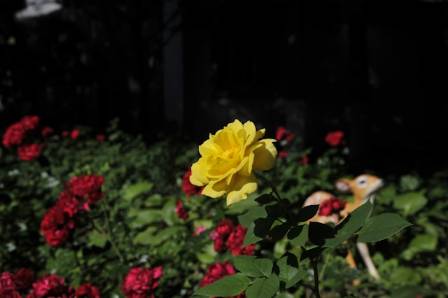
Different colors carry specific meanings. Red roses are strongly associated with love and passion, pink roses with gentle affection and happiness, white roses with peace and purity, and yellow roses with friendship and harmony. The number of roses also carries symbolic meaning in Chinese culture, where certain quantities represent lasting relationships or deep emotional messages. Beyond symbolism, roses have also been used in traditional medicine, and their fruits are consumed for their nutritional value.
More from the kitchen
· en
Afternoon Tea Recipes and Ideas
Rowan Jay

· en
Cool Fits For The Great Outdoors
Evelyn Rosalie

· en
Budget-Friendly Beach Vacation Ideas
Elise Warren

· en
7 Of The Largest RVs You Can Own
Isabella Hayes
· en
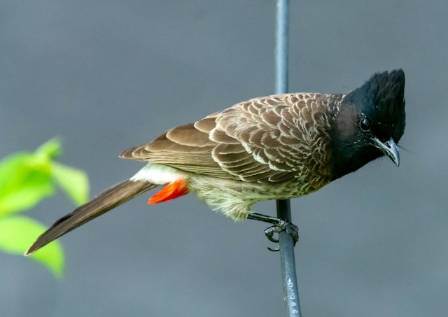
The Distinctive Beauty of the Orange-spotted Bulbul
Ronan Blake

· en
3 Cities with the Most Jaw-Dropping Skylines Filled with High-Rises
Kobe