Fruit is nature’s sweet gift, packed with vitamins, minerals, fiber, and antioxidants that support overall health. But for those following a low-carb diet—whether to manage diabetes, lose weight, or improve metabolic health—the natural sugars in fruit can feel like a challenge. The good news is that not all fruits are created equal: many are low in carbohydrates, high in nutrients, and perfectly compatible with low-carb lifestyles. Unlike refined carbs (like white bread or pastries), the carbs in fruit come paired with fiber, which slows sugar absorption, stabilizes blood glucose, and keeps you feeling full longer. This guide breaks down the best low-carb fruits, their nutritional benefits, and how to incorporate them into your diet—proving that you don’t have to sacrifice sweetness to stay on track.
Understanding Carbs in Fruit: Net Carbs vs. Total Carbs
Before diving into specific fruits, it’s important to distinguish between total carbs and net carbs—especially for low-carb dieters. Total carbs refer to all carbohydrates in a food, including fiber, sugar, and starch. Net carbs, however, are calculated by subtracting fiber from total carbs (net carbs = total carbs – fiber). This is because fiber is a indigestible carbohydrate that doesn’t raise blood sugar or contribute to calorie intake in the same way as sugar or starch. For example, a fruit with 10 grams of total carbs and 3 grams of fiber has 7 grams of net carbs—this is the number that matters for low-carb eating. Most low-carb diets recommend 20–50 grams of net carbs per day, and fruit can be a delicious way to meet a portion of that goal. It’s also worth noting that fruit’s natural sugars (fructose) are metabolized differently than added sugars, making them a healthier choice when consumed in moderation.
Watermelon: The Lowest-Carb Fruit for Refreshing Sweetness
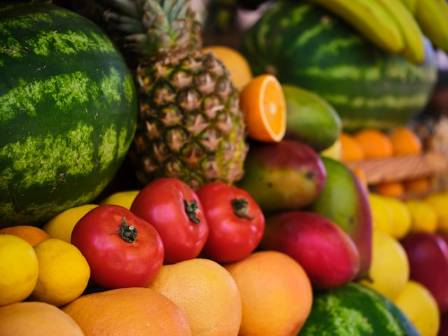
Watermelon is the ultimate low-carb fruit, ideal for hot summer days or anytime you crave a juicy, sweet treat. Composed of 92% water, it’s incredibly hydrating and contains just 7.5 grams of total carbs (6 grams of net carbs) per 100 grams (about 1 cup of cubed fruit). Despite its low carb count, watermelon is rich in nutrients: it’s an excellent source of vitamin A (from beta-carotene), which supports eye health and immune function, and vitamin C, a powerful antioxidant that boosts collagen production and fights inflammation. It also contains lycopene, a carotenoid linked to reduced risk of heart disease and certain cancers. Watermelon is versatile: enjoy it sliced as a snack, blended into a refreshing smoothie (with a handful of spinach for extra nutrients), or frozen into popsicles for a guilt-free dessert. For a fancy twist, use a melon baller to create bite-sized pieces—perfect for parties or portion-controlled snacking.
Cantaloupe: A Creamy, Low-Carb Melon with Immune-Boosting Nutrients
Cantaloupe (also known as muskmelon) is another low-carb melon that offers a creamy texture and sweet, floral flavor. With just 8 grams of total carbs (6.5 grams of net carbs) per 100 grams (about 1 cup of cubed fruit), it’s a great choice for those watching their carb intake. Cantaloupe is a nutritional powerhouse: it’s loaded with vitamin A (one cup provides over 100% of the Daily Value, DV) and vitamin C (about 60% of the DV), both of which support immune health and skin vitality. It’s also cholesterol-free, low in sodium, and a good source of folate (vitamin B9), which is essential for cell growth and fetal development (making it great for pregnant people). Cantaloupe pairs beautifully with protein-rich foods: toss it into a salad with cottage cheese, Greek yogurt, or grilled chicken for a balanced meal, or blend it with almond milk and a scoop of protein powder for a quick breakfast smoothie.
Honeydew: A Sweet, Hydrating Melon with Electrolyte Benefits
Honeydew is the sweetest of the common melons, but it still maintains a low carb profile—about 9 grams of total carbs (7 grams of net carbs) per 100 grams (1 cup of cubed fruit). The average person eats around 3 pounds of honeydew per year, and for good reason: it’s not only delicious but also packed with essential nutrients. Honeydew is an excellent source of potassium (one cup provides about 10% of the DV), which helps regulate blood pressure, balance electrolytes, and support muscle function. It also contains copper (important for iron absorption and energy production) and vitamin C (over 50% of the DV per cup), which enhances immunity and antioxidant protection. Honeydew is best enjoyed fresh: slice it for a snack, add it to fruit salads, or blend it with mint and lime for a refreshing summer drink. Its high water content (about 90%) makes it a great choice for staying hydrated on hot days or during workouts.
Strawberries: Low-Carb Berries Packed with Antioxidants
Strawberries are a low-carb superstar, offering a tangy-sweet flavor and a wealth of health benefits. Eight medium strawberries (or 1 cup of sliced berries) contain just 7.2 grams of total carbs (5.5 grams of net carbs) and nearly as much vitamin C as a medium orange (about 89% of the DV). They’re also rich in phytonutrients—including anthocyanins, ellagic acid, and quercetin—which have anti-cancer, anti-inflammatory, and heart-protective properties. Strawberries are in season during spring and summer, but frozen strawberries (without added sugar) are a great alternative year-round. Enjoy them on their own as a snack, top them with plain Greek yogurt for a high-protein breakfast, or add them to salads for a burst of sweetness. Avoid dipping them in chocolate or sugar-laden sauces, as this will significantly increase their carb count—stick to fresh or frozen berries for maximum low-carb benefits.
Raspberries: High-Fiber Berries for Blood Sugar Control
Raspberries are unique among low-carb fruits for their exceptionally high fiber content—8 grams per cup— which helps keep their net carb count low (just 5 grams of net carbs per cup, compared to 14 grams of total carbs). This fiber not only supports digestive health but also slows the absorption of sugar, making raspberries an excellent choice for people with diabetes or insulin resistance. Raspberries are also rich in vitamin C (about 54% of the DV per cup), manganese (important for bone health and metabolism), and antioxidants that fight oxidative stress. They have a delicate, slightly tart flavor that pairs well with both sweet and savory dishes: mix them with plain yogurt, add them to oatmeal, or use them as a topping for grilled chicken or fish. Raspberries are perishable, so buy them in small quantities and eat them within 1–2 days of purchase, or freeze them for later use.
Blackberries: Antioxidant-Rich Berries with Gut-Friendly Fiber
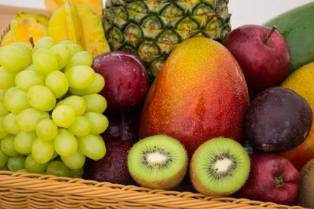
Blackberries are another low-carb berry option, with just 10 grams of total carbs (6 grams of net carbs) per cup (about 20 small berries). Their deep purple color comes from anthocyanins—powerful antioxidants that have been linked to reduced risk of chronic diseases like heart disease and cancer. Blackberries are also high in fiber (7.6 grams per cup) and low in fructose, making them less likely to cause gas or digestive discomfort compared to higher-sugar fruits. They’re a good source of vitamin C (about 24% of the DV per cup) and vitamin K (important for blood clotting and bone health). Fresh or frozen blackberries can be enjoyed in smoothies, salads, or as a topping for chia pudding. They also work well in savory dishes—try adding them to a sauce for pork or duck for a sweet-tart flavor contrast.
Peaches: Juicy Low-Carb Fruits with a Sweet, Summery Taste
Peaches are a delightful low-carb option, offering a juicy, sweet flavor with surprisingly few carbs. One medium peach (about 150 grams) contains 11.6 grams of total carbs (9.5 grams of net carbs) and just 50 calories. It’s also a good source of vitamin C (15% of the DV), vitamin A (from beta-carotene), and potassium (about 8% of the DV). Peaches are high in fiber (2.1 grams per medium fruit), which helps promote satiety and digestive health. They’re in season during summer, but canned peaches (packed in water or 100% juice) are a convenient alternative—just be sure to drain and rinse them to remove excess sugar. Peaches pair beautifully with protein: slice one over cottage cheese or Greek yogurt for a high-protein, low-carb snack, or grill them for a sweet side dish to serve with chicken or fish.
Avocado: A Unique Low-Carb Fruit High in Healthy Fats
Avocado is a one-of-a-kind fruit (technically a single-seeded berry) that stands out for its low carb count and high healthy fat content. Per 100 grams (about ½ cup of cubed avocado), it contains 8.5 grams of total carbs— but with 6.7 grams of fiber, that’s just 1.8 grams of net carbs. Avocados are rich in monounsaturated fats (the “good” fats), which support heart health by lowering LDL (“bad” cholesterol) and increasing HDL (“good” cholesterol). They also have more potassium than a banana (485 mg per 100 grams vs. 358 mg in a banana), making them great for electrolyte balance and blood pressure regulation. Avocados are incredibly versatile: mash them into guacamole, slice them on salads, add them to smoothies for creaminess, or spread them on low-carb bread for a healthy toast. They’re a staple in low-carb and keto diets, as their healthy fats help keep you full and satisfied.
Pineapple: A Tropical Low-Carb Fruit with Digestive Benefits
Pineapple is a tropical fruit that adds a sweet, tangy flavor to low-carb diets, with 11 grams of total carbs (9.9 grams of net carbs) per 100 grams (½ cup of cubed fruit). It’s an excellent source of manganese (about 45% of the DV per 100 grams), an essential mineral that supports nervous system function, hormone production, blood sugar regulation, and calcium absorption. Pineapple is also unique for containing bromelain, a mix of enzymes that aids in protein digestion and reduces inflammation—making it a great addition to post-workout meals or dishes with lean protein. Enjoy fresh pineapple as a snack, add it to stir-fries for a tropical twist, or blend it with coconut milk for a creamy smoothie. Note that pineapple is slightly higher in carbs than other fruits on this list, so portion control is key—stick to ½ cup servings to stay within low-carb limits.
Plums: Small but Mighty Low-Carb Fruits for Heart Health
Plums are small, sweet fruits that are low in carbs and high in nutrients. One medium plum (about 65 grams) contains just 7.6 grams of total carbs (6.5 grams of net carbs) and 100 mg of potassium (about 2% of the DV), which helps support heart health by regulating blood pressure and reducing the risk of strokes. Plums are also a good source of vitamin C (10% of the DV per medium fruit) and vitamin K (about 5% of the DV), as well as antioxidants like chlorogenic acid, which may help lower blood sugar levels. They’re a versatile fruit: add sliced plums to salads, yogurt, or oatmeal, or enjoy them as a quick snack. Avoid dried plums (prunes), as the drying process concentrates sugars—100 grams of prunes contain a whopping 64 grams of total carbs (54 grams of net carbs), which is far too high for low-carb diets.
Choosing Canned or Frozen Low-Carb Fruits: Tips for Success
Fresh fruit is ideal for low-carb diets, but canned or frozen options can be convenient when fresh fruit is out of season or unavailable. However, it’s important to choose carefully to avoid excess carbs and added sugars. For canned fruit, look for varieties packed in 100% juice or water—avoid those packed in heavy syrup, which can add 10–20 grams of sugar per serving. Drain and rinse canned fruit before eating to remove excess juice and reduce sugar intake. For frozen fruit, opt for unsweetened varieties (no added sugar or syrup), as sweetened frozen fruit can have double the carbs of fresh fruit. Frozen fruit is a great option for smoothies, as it adds thickness without the need for ice, and it’s often just as nutritious as fresh—fruits are frozen at peak ripeness, locking in vitamins and antioxidants.
How to Incorporate Low-Carb Fruits into Your Diet
Low-carb fruits are versatile and can be enjoyed in countless ways—here are some practical tips to add them to your daily routine:
-
Breakfast: Top plain Greek yogurt, cottage cheese, or low-carb oatmeal with berries, sliced peaches, or melon. Blend avocado, spinach, and a handful of strawberries into a green smoothie for a creamy, nutrient-dense breakfast.
-
Snacks: Keep pre-cut watermelon, cantaloupe, or plums in the fridge for a quick, portable snack. Pair berries with a small handful of nuts or a slice of cheese for a balanced, satisfying midday treat.
-
Lunches/Dinners: Add sliced avocado, berries, or pineapple to salads for a burst of sweetness and texture. Grill peaches or pineapple to serve alongside grilled chicken, fish, or tofu.
-
Desserts: Freeze berries and blend them into a sorbet (no added sugar needed). Top chia pudding with raspberries or blackberries for a healthy, low-carb dessert.
-
Portion Control: Even low-carb fruits can add up, so measure servings to stay within your carb goals. Use a food scale or measuring cups to ensure you’re not overindulging.
Final Thoughts: Low-Carb Fruits Are a Nutritious Addition to Any Diet
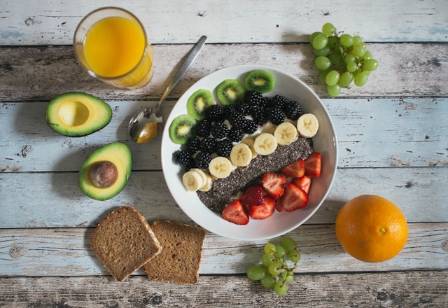
Low-carb fruits prove that you don’t have to give up sweetness to follow a low-carb lifestyle. From hydrating watermelon to fiber-rich raspberries and healthy fat-packed avocados, these fruits offer a wealth of nutrients, antioxidants, and fiber—all while keeping carb counts in check. They’re perfect for people with diabetes, those looking to lose weight, or anyone seeking a healthier way to enjoy sweet foods. Remember to focus on net carbs, choose fresh or unsweetened frozen/canned options, and practice portion control. By incorporating these low-carb fruits into your diet, you’ll not only satisfy your sweet tooth but also support overall health—proving that healthy eating can be delicious and sustainable.